

Life on the Edge
“Across the shimmering waters of the Dead Sea, the mountains of Jordan rise opposite Israel’s Judean Desert, creating one of the region’s most striking and peaceful border landscapes.” Life on the Edge Community, Landscape and the Future of Israel’s Eastern Border There are borders that divide, and there are borders that define. Israel’s eastern border […]


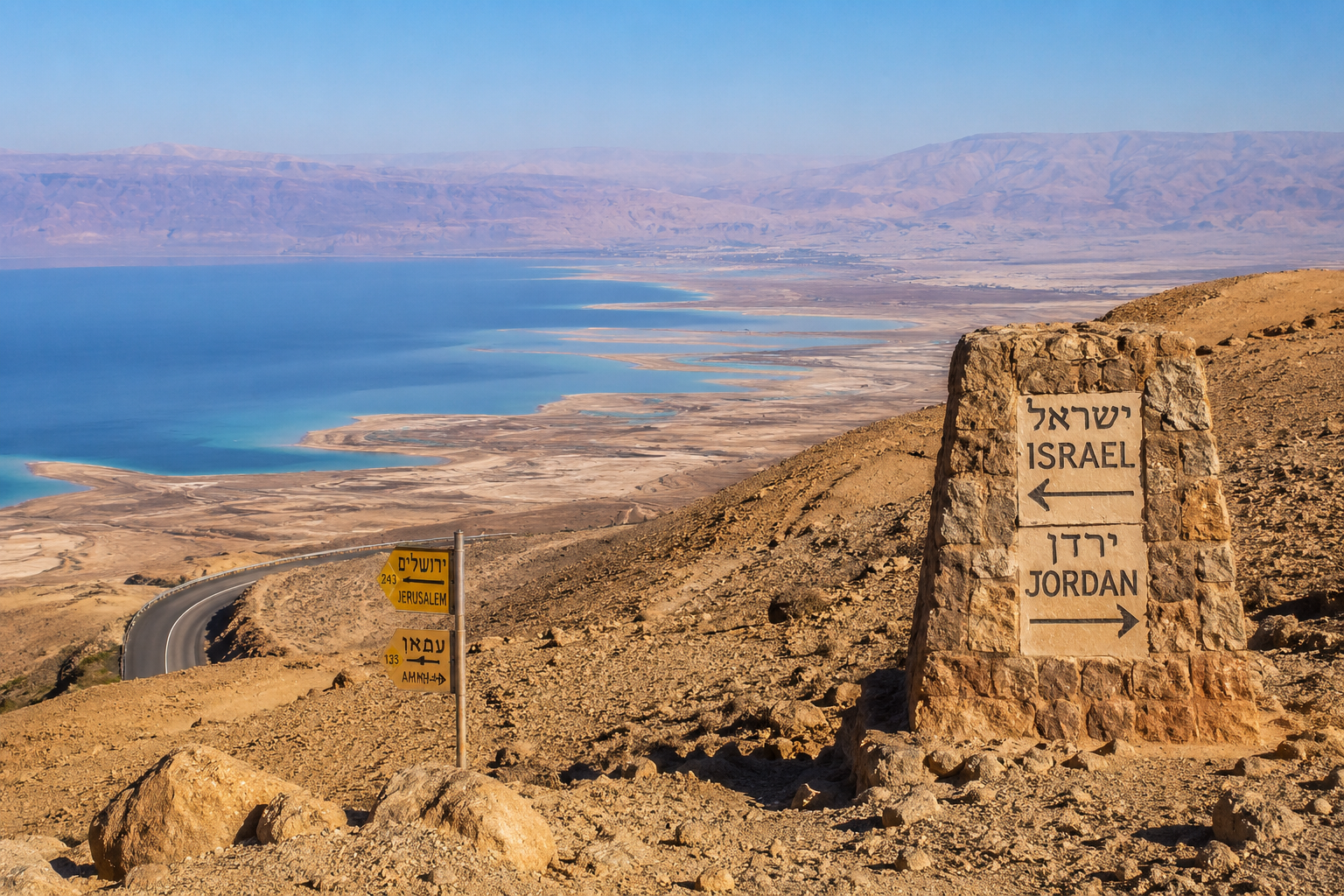
“Across the shimmering waters of the Dead Sea, the mountains of Jordan rise opposite Israel’s Judean Desert, creating one of the region’s most striking and peaceful border landscapes.”
Life on the Edge
Community, Landscape and the Future of Israel’s Eastern Border
There are borders that divide, and there are borders that define. Israel’s eastern border — stretching along the Jordan Rift Valley, hugging the shores of the Dead Sea and reaching down through the stark, sun-bleached landscape of the southern Arava — is very much the latter.
This is not a border in the conventional sense. It is a living frontier, inhabited by communities of remarkable resilience and purpose, set against one of the most dramatic and ancient landscapes on earth. To live here is to understand, instinctively, that geography is destiny.
A Landscape Like No Other
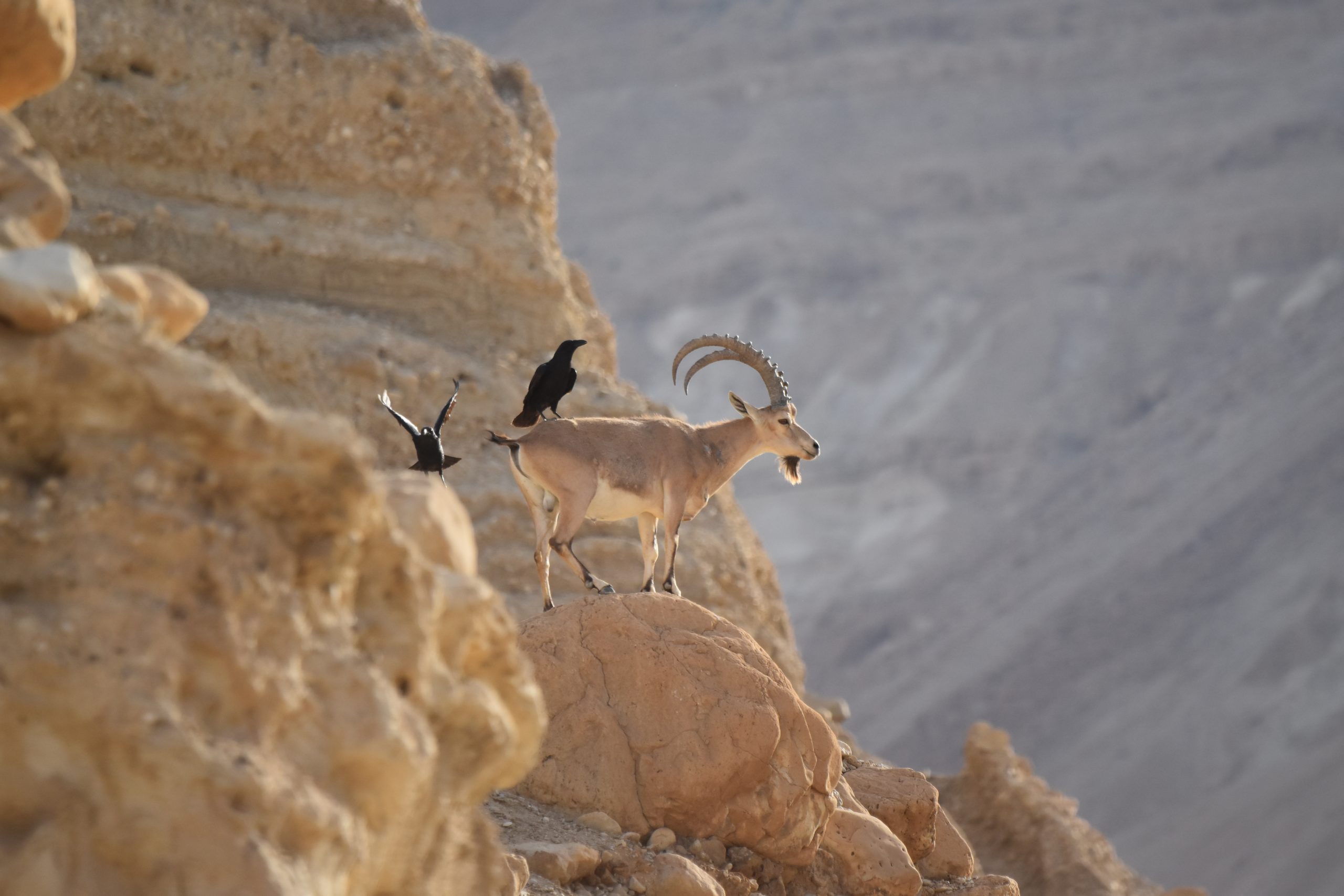
The Tamar Region sits at the heart of this extraordinary territory. To the west, the Judean Desert drops in sheer limestone cliffs towards the Dead Sea — the lowest point on the surface of the earth, its hypersaline waters shimmering silver and blue in the desert light. To the east, across the water, the mountains of Jordan rise in ridges of rose and amber. On a clear morning — and mornings here are almost always clear — you can see them with the naked eye.
This is a landscape of biblical proportions, and it has been inhabited, contested, farmed and cherished for thousands of years. The communities that live here today are the latest chapter in a very long story.
The Human Story
The kibbutzim and small communities of the Tamar Region are home to people who have chosen, quite deliberately, to build their lives on the edge. They are farmers, educators, artists, scientists and entrepreneurs. They raise their children here, send them to school here, and in many cases, watch those children grow up and choose to stay.
It is not always easy. The challenges of border life are real — logistical, security-related, and at times psychological. But there is something about this place that holds people. Perhaps it is the landscape. Perhaps it is the extraordinary sense of community that develops when you are a little removed from the centre of things. Perhaps it is simply the light — that particular quality of desert light that artists and photographers travel from across the world to capture.
The Tamar Regional Council, under the leadership of Mayor Nir Wanger, works continuously to ensure that these communities not only survive but thrive — investing in education, infrastructure, cultural life and economic development, and representing the region’s interests at the highest levels of national leadership.
Looking East — A Border With Potential
What makes Israel’s eastern border particularly fascinating — and particularly full of possibility — is its relationship with the country on the other side.
In the southernmost reaches of the region, around the community of Neot HaKikar, the border takes on a different character entirely. Here, the landscape is flat and agricultural, and the physical boundary between Israel and Jordan is, in places, more symbolic than solid. Directly opposite, on the Jordanian side, small farming communities struggle with poverty and outdated agricultural methods — challenges that, in the interconnected reality of a shared desert environment, inevitably spill across the border in ways both sides feel.
For years, the Tamar Regional Council has quietly championed a vision of genuine cross-border cooperation — a formal crossing that would allow Jordanian workers to find employment in Israel, while Israeli agricultural expertise and development resources flow in the other direction. It is a practical, humane and mutually beneficial idea. Both communities would gain. The landscape — already fragile, already under pressure from the dramatic recession of the Dead Sea — would benefit from joined-up thinking rather than parallel neglect.
And yet, as is so often the case in this region, it is politics that stands in the way. Politics on both sides. The vision remains just that — a vision. But it is one that the people who actually live here, on both sides of that quiet, flat, sun-baked border, have never entirely given up on.

Why It Matters
For Jewish communities around the world watching Israel navigate this complex and often painful moment in its history, the story of the Tamar Region offers something important: evidence that life goes on, that communities endure, that people continue to build, create, educate and hope.
The eastern border is not just a line on a map. It is a community of communities — diverse, determined and deeply rooted in one of the most extraordinary places on earth.
And from where we stand, on the shores of the Dead Sea, the view — in every sense — is remarkable.
The Tamar Regional Council’s International Relations Department welcomes enquiries from Jewish communities, organisations and institutions worldwide. We are always glad to share our story.